Skip to content

3PL for supplements
How to find the right fulfillment partner

A good 3PL for supplements is an FDA-registered facility with software that tracks lots and expiration dates, supports FEFO picking and recalls, and keeps products out of heat and humidity. ShipPathway matches supplement brands with vetted 3PLs that already handle these requirements, so you can compare three options and choose directly. Matchmaking is free for brands.

Last reviewed: November 2026.

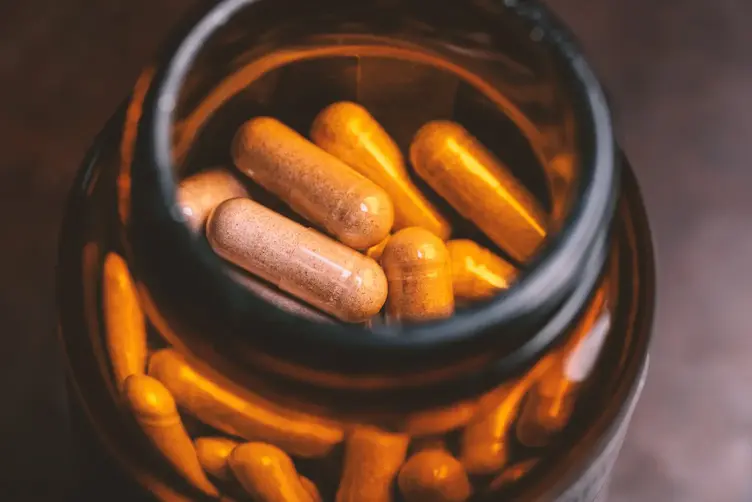
Supplement capsules inside an open amber glass bottle

Who needs a supplement-specific 3PL?

Supplement brands typically have a small number of SKUs and need little storage space, with protein powders as the main exception because of their volume. If you sell vitamins, powders, capsules or similar products and you're choosing a 3PL for the first time or replacing one, the sections below cover what to check.

What makes supplement fulfillment different?

Lot numbers and FEFO (first-expired, first-out)

Supplements are tracked by lot, and each lot has an expiration date. Warehouses ship the earliest-expiring lot first (FEFO: first-expired, first-out) so product doesn't expire on the shelf and customers receive fresh product. This takes software that records the lot and expiry at receiving and enforces the picking order.

Here is how the two common storage setups compare:

Dedicated lot locationsShared shelves with system-directed picking
How it worksEach SKU and lot gets its own pallet, shelf or binMultiple SKUs and lots share a shelf, and software tracks each lot's exact location
Picking accuracyThe picker goes to the lot's locationBarcode scanning confirms the right SKU and lot
Storage costCan be higher if the 3PL bills by storage positionLots don't each need their own spot
What to ask"How do you bill lot storage?""How does your system confirm the correct lot at picking?"

Recall readiness

If a lot has a problem, the 3PL needs to find every unit and isolate it quickly. Lot tracking lets the warehouse system flag a lot as on hold, physically separate it, and report which orders and customers received it. Most 3PLs don't know how to run a recall unless they already serve supplement or food brands.

Temperature and humidity

Supplements usually don't need cold storage, but they can't sit in high heat, which can damage product or shorten shelf life. Humidity is an especially big concern for protein powders and powders in general, because moisture can cause clumping and degradation.

Pest control

Because supplements are consumed, warehouses that store them need a documented pest control program.

FDA registration and cGMP requirements

The FDA classifies dietary supplements as food. Under Section 415 of the Federal Food, Drug, and Cosmetic Act (21 U.S.C. 350d), any facility that manufactures, processes, packs or holds food for U.S. consumption must register with the FDA, and the registration must be renewed every two years. That applies to each warehouse that holds your inventory.

Warehouses that hold supplements must also follow the FDA's supplement cGMP rules for holding (21 CFR Part 111). A third-party cGMP certification is a separate, optional credential, and some brands require it depending on their positioning.

If a 3PL also repackages or co-packs, with staff handling the product directly or raw materials, additional manufacturing-practice requirements apply. This is not often required of a fulfillment-only 3PL.

What should you look for in a supplement 3PL?

  • Direct experience with supplement brands
  • An FDA-registered facility (each warehouse that holds your product must be registered)
  • Software that manages different lots and expiration dates, with FIFO/FEFO picking
  • Software that can run a recall: place a lot on hold and report where it shipped
  • Storage with general climate control, so the warehouse doesn't get too hot, especially in hot states like Arizona
  • Humidity control and monitoring if you sell powders
  • A documented pest control program
  • Optional: a third-party cGMP certification, if your positioning or retail partners require it

How to vet a supplement 3PL before you sign

  1. Visit the facility. Seeing operations firsthand tells you a lot.

  2. Ask for the FDA registration. Seeing the registration documents covers a lot of ground.

  3. Ask for a demo. Have them show you how FEFO settings and recalls work in their system.

  4. Ask for temperature and humidity logs, and compare them with the storage range on your product label.

  5. Ask for pest control documentation (details in the FAQ below).

What costs catch supplement brands off guard?

Lot separation. Lot tracking often requires each lot to be stored separately, depending on the 3PL's setup. If the 3PL charges by storage position, you can end up using several shelves or even several pallets instead of one, which raises your storage cost.

Boxes instead of bubble mailers. Depending on your packaging, you may have to ship in boxes, which cost more. This doesn't apply to every supplement, but brands with a premium look who use glass bottles instead of plastic often run into it.

What can’t many 3PLs handle for supplement brands?

  • Many 3PLs don't have an FDA-registered facility by default, since registration costs money and paperwork to maintain
  • Some don't manage lot tracking, either because they don't want to or because their software can't
  • Most don't know how to deal with recalls unless they already serve supplement or food brands

Questions to ask a supplement 3PL

  • Is your facility FDA-registered, and can I see the registration?
  • How do you store and track lots? Does each lot get its own location, and how do you bill for it?
  • Can you show me how FEFO and recalls work in your system?
  • What temperature and humidity do you maintain, and can I see the logs?
  • Can you provide pest control documentation?
  • Will my products be on shelves or pallets, or on the floor?
  • Do you follow cGMP holding practices, and do you hold a third-party cGMP certification?

Frequently asked questions about 3PLs for supplements

Does a 3PL that stores supplements have to be FDA-registered?

Yes. The FDA treats dietary supplements as food, and Section 415 of the Federal Food, Drug, and Cosmetic Act requires any facility that manufactures, processes, packs or holds food for U.S. consumption to register with the FDA, renewing every two years. Each warehouse that holds your inventory needs its own registration, so ask to see it before you sign.

How do 3PLs manage lot numbers and expiration dates (FEFO) for supplements?

It depends on the 3PL's software and storage setup. Some give each SKU and lot its own storage location, such as one lot per pallet or shelf. Others share shelves across SKUs and lots, relying on software that tracks each lot's location and barcode scans at picking to confirm the right SKU and lot. Either way, FEFO means the earliest-expiring lot ships first. Dedicated lot locations can raise storage costs.

How do 3PLs protect supplements from heat and humidity?

Supplement-ready warehouses use air conditioning and temperature logs so inventory isn't exposed to high heat for long. For humidity, they typically use dehumidifiers and sensors with logged readings and alerts, and keep product off the floor with airflow. Powders such as protein are the most sensitive, since moisture can cause clumping. Ask for the warehouse's logs and compare them with the storage range on your product label.

Can a 3PL provide a pest control certificate?

Most supplement-ready 3PLs can provide pest control documentation, though the form varies. They typically contract a licensed pest control company that runs an integrated pest management program, with scheduled inspections, monitoring devices, service reports and pest-sighting logs. Ask for the current service agreement, recent reports, the provider's license and insurance, and any third-party audit results. A single certificate is less common than ongoing service records.

Will my supplements be stored on shelves or on the warehouse floor?

It depends on the 3PL's setup. Some 3PLs store certain products directly on the warehouse floor, while many supplement brands prefer shelving or at least pallets off the floor. Ask the 3PL directly, and tell them your preference before you sign. ShipPathway can match you with a 3PL that stores inventory the way you want.

What happens if one of my supplements needs to be recalled?

You direct the recall, and the 3PL isolates the affected inventory. A warehouse system with lot tracking records each lot's location and every order it shipped on, so the 3PL can place the lot on hold, physically quarantine it and report who received it. Ask whether the 3PL can quarantine by lot, report shipped-to data by lot and run a mock recall for you.

Find a supplement-ready 3PL

Tell us about your products, and we'll shortlist three vetted 3PLs that already handle supplements. Free for brands.

Find My 3PL