Skip to content

3PL for Electronics
How to find the right fulfillment partner

A good 3PL for electronics already ships lithium batteries as dangerous goods, with trained staff, correct box labeling and the carrier approvals that go with it. It also tracks serial numbers at fulfillment and, ideally, inspects returns instead of just restocking them. ShipPathway matches electronics brands with vetted 3PLs that already handle these requirements, so you can compare three options and choose directly. Matchmaking is free for brands.

Last reviewed: November 2026.

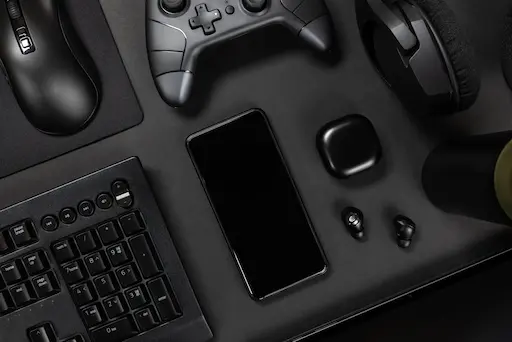
Smartphone, gaming controller, headphones, keyboard and wireless earbuds on a dark desk

Who needs an electronics-specific 3PL?

Electronics brands typically carry a small number of SKUs, often under 30, and don't need much storage space unless the product is large, like an e-bike. If you sell devices, accessories or battery-powered products and you're choosing a 3PL for the first time or replacing one, the sections below cover what to check.

What makes electronics fulfillment different?

Why are lithium batteries dangerous goods for shipping?

Most electronics contain lithium batteries, and lithium batteries are classified as dangerous goods. That means the warehouse must be approved and set up to ship them. Which rules apply depends on how you ship:

Ground shipments

in the U.S. fall under Department of Transportation hazmat rules (49 CFR 173.185), and the staff who prepare shipments need hazmat training, renewed every three years.

Air shipments

follow the IATA Dangerous Goods Regulations, and the staff who prepare them need IATA training, renewed every 24 months. This applies to international air shipments and to domestic shipments that move by air, such as expedited services.

What are the small-battery exceptions, and what are their limits?

Small batteries can ship under reduced requirements, often called limited quantity in the industry. The relief depends on the battery's size (watt-hours, generally up to 100 Wh per battery for lithium-ion) and on how much goes in one package. Above those limits, a shipment is fully regulated: more forms, more training and more carrier approvals. Many 3PLs, especially those focused on direct-to-consumer orders with low unit counts, aren't set up for that.

Here is how the two compare:

Small-battery exceptionsFully regulated shipments
When it appliesBatteries within the size limit (generally up to 100 Wh per lithium-ion battery) and within the package limitsLarger batteries, or quantities above the package limits
Packaging and marksStrong outer package, protection against short circuits and a lithium battery markUN-specification packaging and full hazard labels
PaperworkReduced; often none for ground, though air carriers may require someShipping papers or a shipper's declaration
Staff trainingRequiredRequired
Carrier acceptanceAccepted by major carriers' ground servicesFewer carriers; some require pre-approval or a contract
CostLowerExtra processing fees

Limits vary by battery type, shipping mode and carrier, so confirm the details with your 3PL.

Labeling requirements

Boxes that contain batteries need special labels. A labeling mistake can cause delays or get the package returned.

UN numbers and carrier approvals

Each type of battery shipment has its own UN number. For example, lithium-ion batteries installed in or packed with equipment are UN3481, while standalone lithium-ion batteries are UN3480. 3PLs typically have to be approved to ship specific UN numbers with their carriers, and not all carriers accept dangerous goods. Batteries are typically accepted, but check with your 3PL for any carrier restrictions.

Serial number tracking

Many electronics brands need each unit's serial number linked to the order it shipped on, for warranties, returns and recalls. This takes software that scans serial numbers at fulfillment.

What should you look for in an electronics 3PL?

  • A 3PL that already ships dangerous goods and has done so consistently
  • Confirmation of which training and approvals apply to the services they use: DOT hazmat training for ground, IATA training for air
  • If you ship internationally by air, staff trained under IATA rules
  • Software that scans serial numbers when the order is packed and links each one to its order number
  • Ideally, a returns process that goes deeper than restocking: plugging units in, confirming they turn on and work properly, or refurbishing them

What are the most common mistakes when choosing an electronics 3PL?

Overlooking quantity limits. One brand didn't realize that its international B2B orders would have to ship in multiple packages, because its 3PL could only ship within the small-battery limits. That increased its shipping costs. Most 3PLs that handle dangerous goods stay within those limits because it's the easiest to manage.

Assuming one approval covers everything. A 3PL that ships devices with batteries (UN3481) may not be approved to ship standalone batteries (UN3480). Ask the 3PL to review and approve each UN number separately.

What costs catch electronics brands off guard?

Labeling. Additional labeling can increase the pick and pack cost.

Shipping above the limits. A 3PL that can ship above the small-battery limits typically charges additional fees for the extra processing work. Ask directly and don't assume.

Limited expedited shipping. Because most battery shipments can go by ground, you may not be able to offer expedited shipping the way other brands do.

Fewer carriers. With a limited set of carriers you can use, you may not always be able to rate-shop for the cheapest service.

What can’t many 3PLs handle for electronics brands?

  • Many won't ship above the small-battery limits
  • Some software doesn't capture serial numbers at the time of the order
  • Few offer deeper testing or refurbishment of returns, since most 3PLs that handle electronics don't take on that part of the process

Questions to ask an electronics 3PL

  • Do you already ship lithium batteries, and for which UN numbers (for example, UN3481 and UN3480)?
  • What training do your staff hold for ground and for air, and when was it last renewed?
  • Do you ship within the small-battery limits only, or can you ship fully regulated quantities? What does that cost?
  • Which carriers and services can you use for my batteries?
  • Can your system scan serial numbers when the order is packed and link them to the order?
  • How do you handle returns? Can you test or refurbish units?
  • Can you ship my products internationally?

Frequently asked questions about 3PLs for electronics

Can a 3PL ship electronics that contain lithium batteries?

Yes, but the 3PL must meet specific requirements. Ground shipments fall under U.S. Department of Transportation rules (49 CFR 173.185) and air shipments under IATA rules. What applies depends on the battery's watt-hours, whether it's installed in the device or shipped alone, the quantity per package and the service used. Send the 3PL your battery specifications, safety data sheet and UN 38.3 test summary.

Does a 3PL track serial numbers for electronics?

Not every 3PL tracks serial numbers by default. If the 3PL uses a warehouse management system with serial tracking, the serial number is scanned when the order is packed and linked to that order, so you know which unit went to which customer. This helps with warranties, returns and recalls. Confirm the system captures serials at fulfillment, not just at receiving.

Can a 3PL test or refurbish returned electronics?

Some can, but it's hard to find. Most 3PLs that handle electronics don't take on testing and refurbishment. A few specialize only in electronics and build their operations around inspecting returns, such as plugging in a unit to confirm it powers on and works. If this matters to your brand, ask up front, and ShipPathway can help you find a 3PL that offers it.

Which carriers can ship lithium batteries?

Major carriers, including UPS, FedEx and USPS, along with some regional carriers, can ship small lithium batteries by ground, generally up to 100 watt-hours per battery, when properly packed and marked. Rules differ by carrier, service, whether the battery is installed or shipped alone, and domestic versus international. Larger batteries are fully regulated and not every carrier accepts them. Have your 3PL review your battery's safety data sheet.

Can I ship standalone batteries (batteries sold on their own)?

Yes, but don't assume it. Batteries shipped alone use a different UN number (UN3480 for lithium-ion) than batteries installed in or packed with equipment (UN3481). A 3PL approved for devices with batteries may not be approved for standalone batteries, and air rules for standalone batteries are stricter. Have your 3PL review and approve each UN number separately before you sign.

Can I ship electronics with lithium batteries internationally?

Yes, but not every 3PL can offer it. Shipping lithium batteries internationally by air requires staff trained under the IATA Dangerous Goods Regulations, renewed every 24 months, plus the correct packaging, labels and paperwork. Each destination country has its own import rules, and some carriers restrict standalone batteries. Confirm with your 3PL which countries and carriers they ship to.

Can I offer expedited shipping on products with lithium batteries?

Yes, but not every 3PL can offer it. Expedited services usually travel by air, even domestically, and shipping lithium batteries by air requires staff trained under the IATA Dangerous Goods Regulations, renewed every 24 months. Labeling and quantity limits differ for air too. Because many 3PLs ship batteries by ground only, ask which air services they support before promising fast delivery.

Find an electronics-ready 3PL

Tell us about your products, and we'll shortlist three vetted 3PLs that already handle electronics and lithium batteries. Free for brands.

Find My 3PL